Occupational Therapy Services

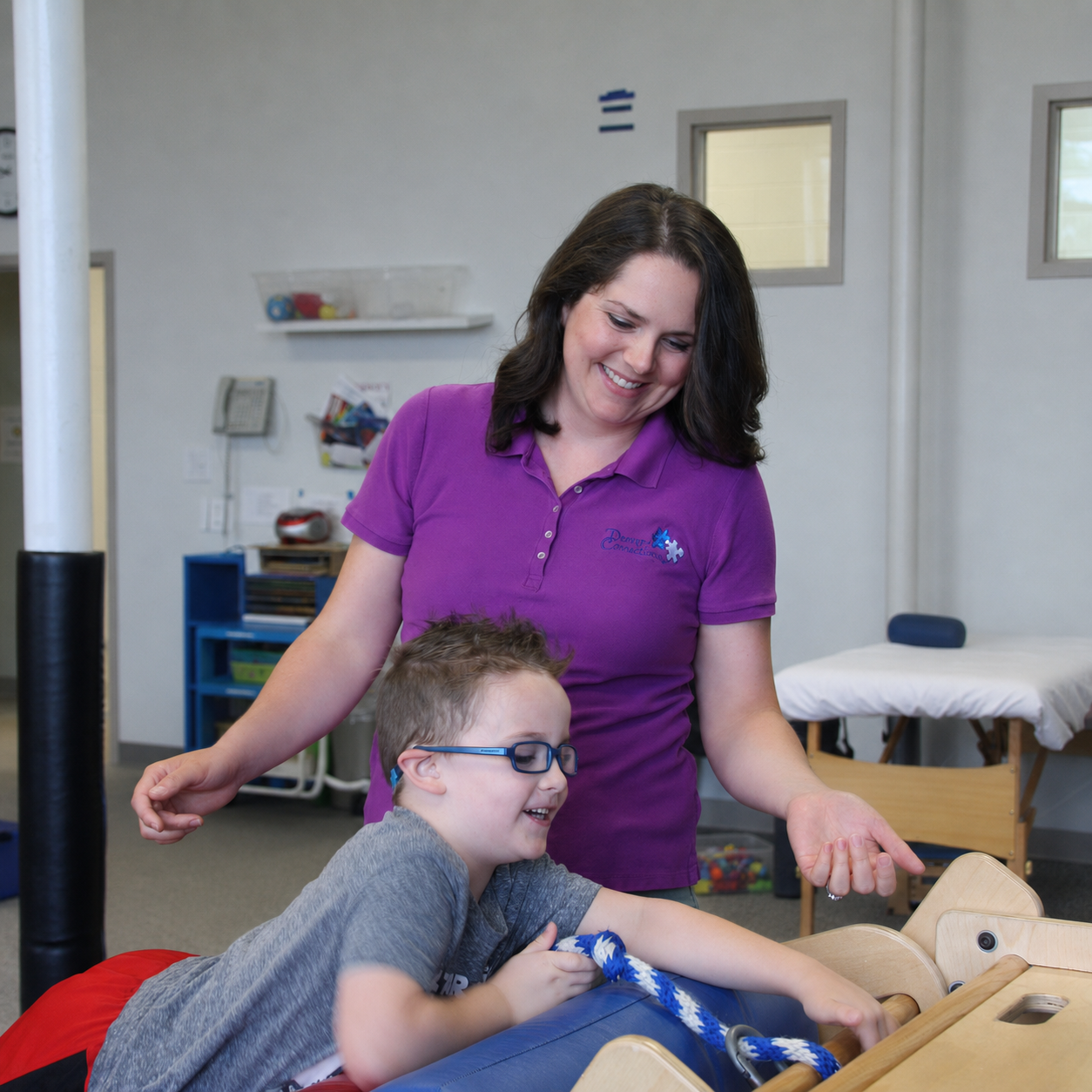
At Therapy Connections, occupational therapists improve the lives of children by promoting the “just right challenge” for learning through the use of childhood occupations and play as therapeutic interventions.

Skills that may be addressed consist of self-help, executive functioning, visual perception, visual motor, fine motor, sensory processing, feeding, coordination and self regulation. With the development of these skills, and collaboration with families, occupational therapists can promote function and independence in everyday living.

Therapy Connections provides a wide range of therapeutic services using evidence based techniques and an interdisciplinary approach.  This practice allows children with disabilities to achieve their highest potential. Services are provided to children of all ages and various diagnoses including but not limited to Cerebral Palsy, Sensory Processing Disorder, Autism Spectrum Disorder, Dyspraxia, Developmental Coordination Disorder (DCD), Down syndrome, Spina Bifida, ADD, Anxiety Disorders, learning disabilities, and behavioral issues.


Occupational Therapy is often recommended to address the following:

  • Grasp development
  • Self-regulation and attention
  • Self-care
  • Coordination
  • Social awareness and development
  • Executive functioning
  • Emotional regulation
  • Visual perception
  • Visual motor skills
  • Feeding and picky eating
  • Anxiety
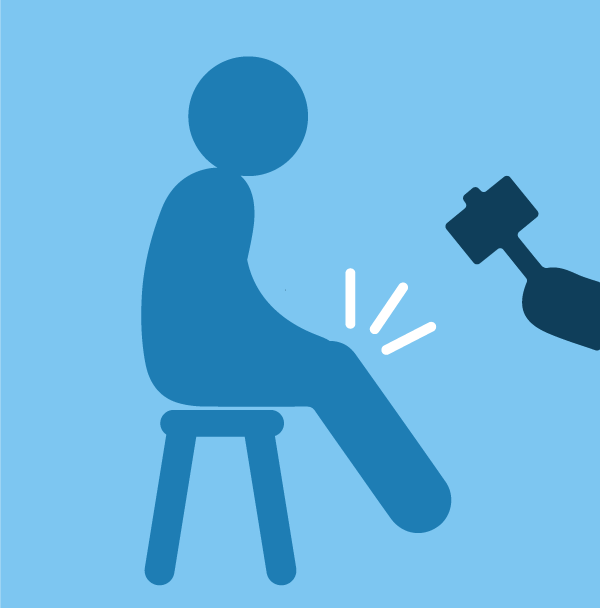
  • Reflex integration
  • Academic skills
  • Infant feeding

Occupational Therapy Services
Self-Care Therapy
Fine Motor Skills

We offer occupational therapy services to address a wide range of fine challenges, from common concerns to more specialized needs.

Occupational Therapy Services

Handwriting Therapy
Strength Training
Vestibular Processing
Heavy Work

Evaluations We Offer

BOT-2 M-FUN M-ABC PDMS-2 HELP TVPS GOAL The Sensory Profile

Handwriting Therapy

Handwriting is a complex process of managing written language and communication. It involves coordinating the eyes, arms, hands, and body posture as well as the use of visual motor and fine motor skills for letter formation, sizing, and accuracy.

Strength Training

Therapist-directed exercises and activities improve muscular strength and endurance. Examples include: lifting weights, body weight exercises, and use of resistance bands.

Vestibular Processing

The vestibular system is the inner ear balance sense that helps to perceive movement. When this sense is not working properly, or properly connected with the other sense organs, especially the eyes and ears, trouble arises in processing.

Heavy Work

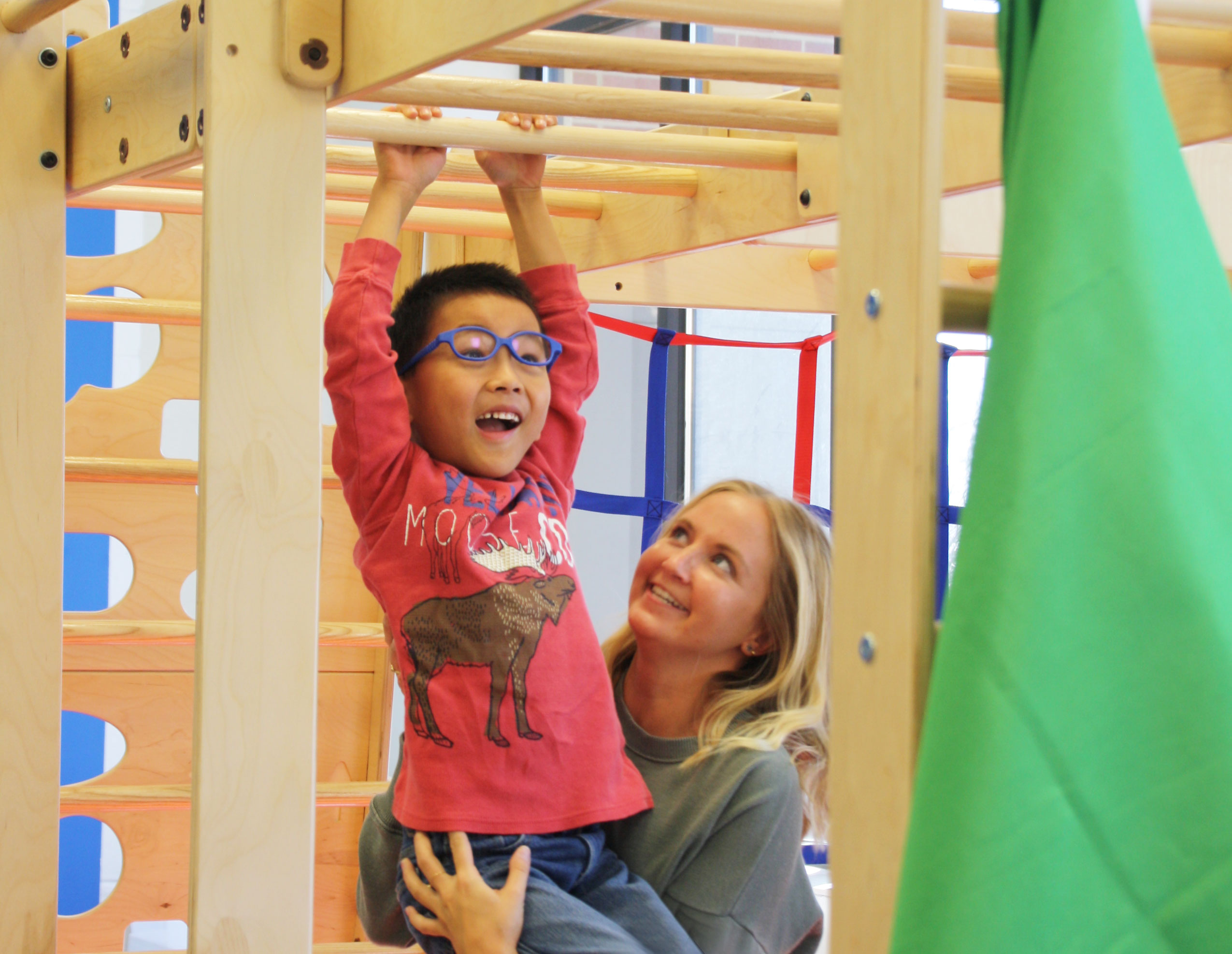
Heavy work is a type of proprioceptive input to the body that assists with calming, regulation, and attention. Proprioceptive input involves resistance to and/or against the muscles and joints of the body. Often, it involves pulling joints apart (ex: hanging, pulling/carrying heavy items, etc.) or compressing joints together (ex: pushing heavy items, deep pressure against the body, etc). Heavy work can be very beneficial for increased sensory processing and body awareness.

Therapy Connections Speech Therapy

Learn About Our Other Services